Technical Skills
SEO Essentials
Understand how search engines work and learn practical strategies to improve your website's organic visibility.

Understand how search engines work and learn practical strategies to improve your website's organic visibility.
Search engine optimization can seem mysterious, even magical, to those unfamiliar with it. In reality, SEO is a technical discipline built on understanding how search engines work and applying that knowledge systematically. This course demystifies SEO by focusing on fundamental principles rather than quick tricks or supposed shortcuts that rarely deliver lasting results.
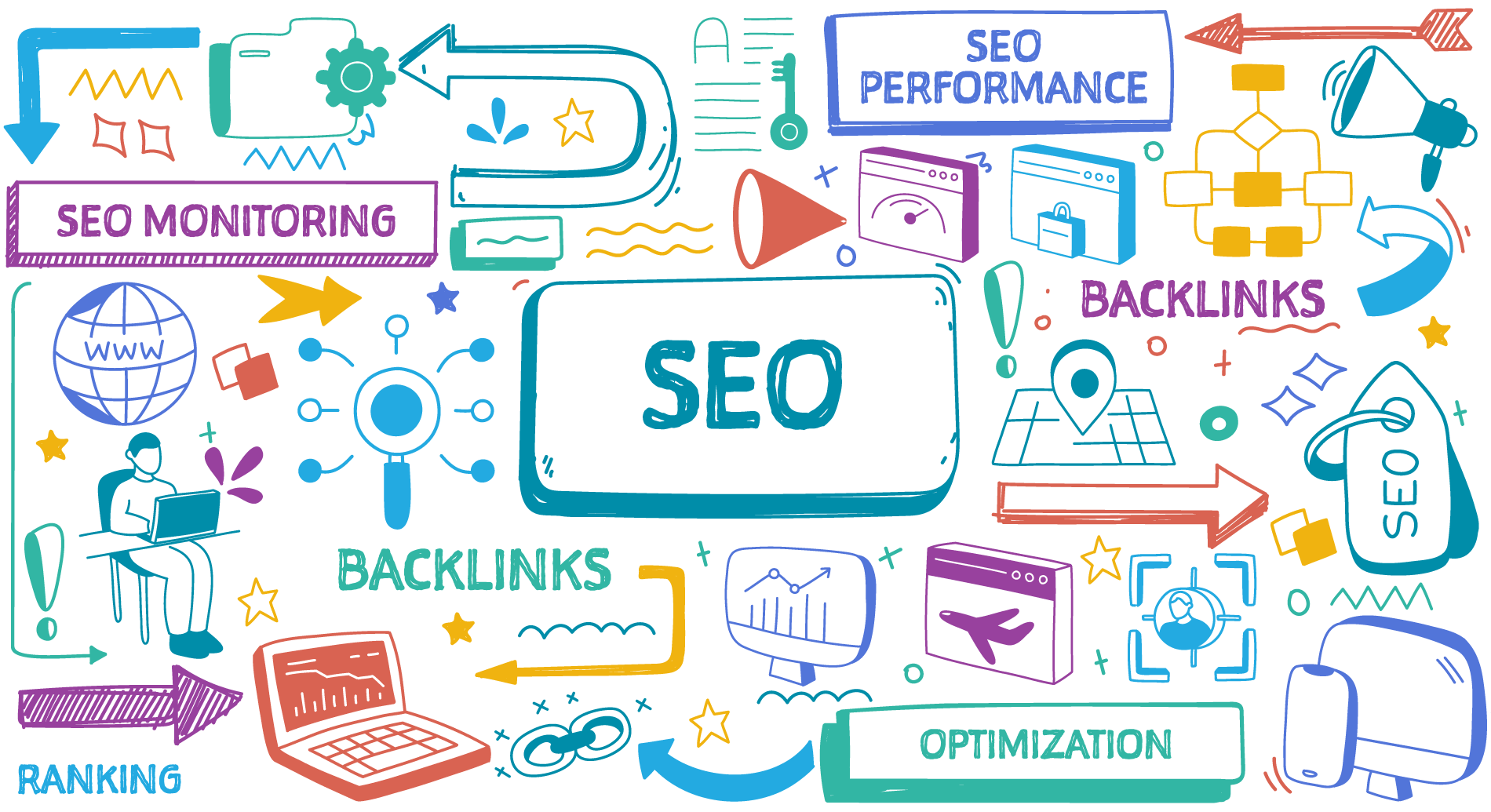
We begin with how search engines actually function. Understanding crawling, indexing, and ranking helps you see why certain practices work and others don't. Search engines aren't arbitrary in their behavior—they follow logic designed to serve users by surfacing the most relevant, authoritative, and useful content for each query. When you align your SEO efforts with this goal, you're working with search engines rather than trying to manipulate them.
Keywords remain fundamental to SEO, but keyword research has evolved significantly from simply finding high-volume terms. Modern keyword research involves understanding search intent—what people actually want when they type specific queries. Are they looking for information? Trying to make a purchase? Seeking a specific website? Understanding intent helps you create content that actually satisfies searchers rather than just targeting keywords.
We cover practical keyword research methodologies using both free and paid tools. You'll learn to identify opportunities where you can realistically compete, assess keyword difficulty, and understand the relationship between search volume and actual business value. Not all high-volume keywords are worth targeting, and many lower-volume keywords can drive highly qualified traffic.
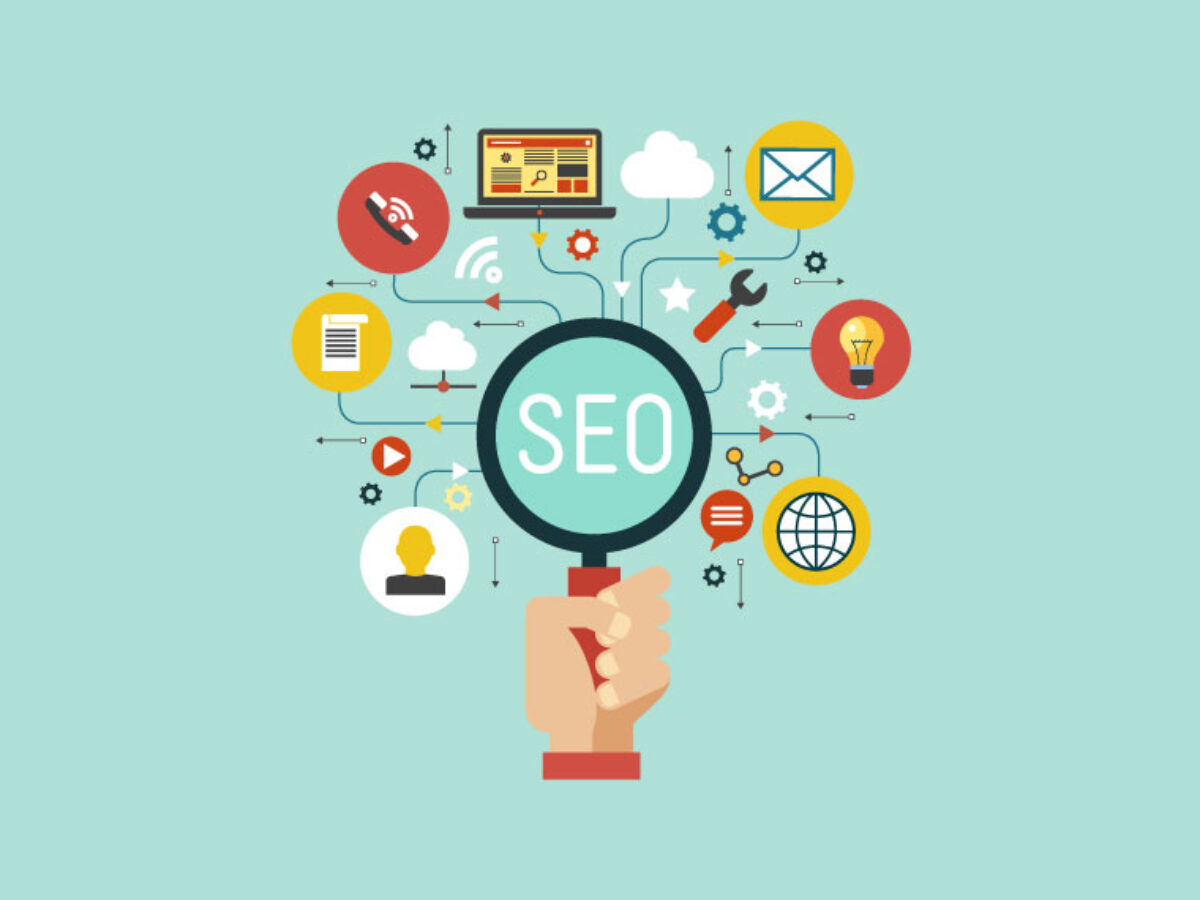
On-page SEO involves optimizing individual web pages to rank better and earn more relevant traffic. This includes elements like title tags, meta descriptions, header tags, URL structure, and internal linking. While these elements seem simple, using them effectively requires understanding both technical requirements and user experience considerations.
We emphasize creating optimization that serves both search engines and humans. Good on-page SEO makes content easier for search engines to understand while simultaneously improving user experience. Poor on-page SEO often results from keyword stuffing or other manipulative techniques that make content less useful for actual readers.
Content quality matters enormously for SEO success, but quality doesn't mean writing the longest possible article or cramming in keywords. Quality content comprehensively addresses user needs, provides accurate information, and offers genuine value. We explore how to plan content that serves both SEO objectives and user requirements without compromising either.
You'll learn to identify content gaps, understand what makes content linkable and shareable, and develop sustainable content creation processes. SEO content strategy isn't about gaming the system—it's about systematically creating valuable resources that naturally attract traffic and links over time.
Technical SEO ensures search engines can crawl, understand, and index your website efficiently. This includes site structure, XML sitemaps, robots.txt files, canonical tags, structured data, site speed, mobile optimization, and more. While some technical aspects can seem intimidating, you don't need to be a developer to understand and implement basic technical SEO.
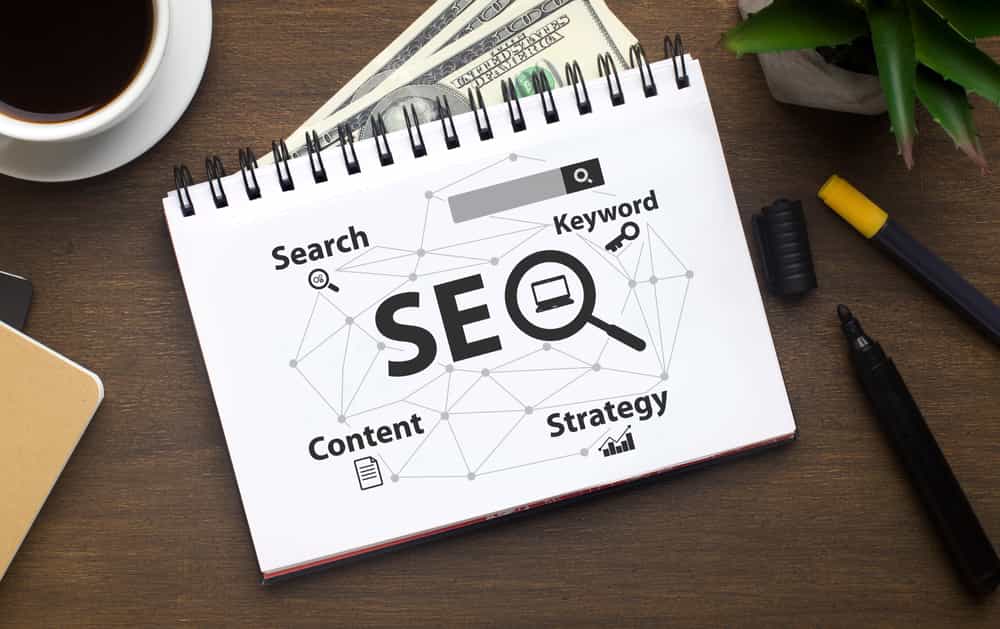
We break down technical concepts into understandable components and teach you to identify and fix common issues. You'll learn to use tools like Google Search Console and Screaming Frog to audit websites and prioritize improvements based on actual impact rather than trying to fix every minor technical detail.
Links from other websites remain an important ranking factor, but link building has changed dramatically. Manipulative link schemes don't work and can harm your site. Effective link building in the modern SEO landscape comes from creating genuinely linkable content and building authentic relationships.
We cover ethical link building approaches: creating content worth linking to, digital PR strategies, identifying legitimate link opportunities, and understanding which links actually matter. The goal isn't accumulating the most links but earning relevant, authoritative links that signal genuine value to search engines.
For businesses serving specific geographic areas, local SEO provides crucial opportunities. We examine Google Business Profile optimization, local citations, review management, and local content strategies. Local SEO has its own nuances and opportunities that differ from broader organic search optimization.

SEO without measurement is guesswork. You need to track rankings, traffic, conversions, and other metrics to understand what's working and what isn't. We cover essential SEO metrics, how to set up proper tracking, and how to interpret data to make informed decisions.
More importantly, we discuss which metrics actually matter for your specific goals. Rankings alone don't drive business results—you need traffic that converts. Understanding the relationship between SEO metrics and business outcomes helps you focus efforts where they'll have the greatest impact.
Search algorithms constantly evolve, which can be frustrating for SEO practitioners. However, understanding core principles provides stability even as specific tactics change. We examine major algorithm updates to understand what Google and other search engines value, helping you build SEO strategies that remain effective despite algorithmic shifts.
Rather than chasing every update or panicking when rankings fluctuate, you'll learn to evaluate changes strategically and maintain focus on sustainable, user-focused SEO practices that align with search engine goals.
Learning what not to do is as important as learning best practices. We examine common SEO mistakes: keyword stuffing, duplicate content, poor mobile optimization, neglecting technical issues, chasing low-quality links, and more. Understanding these pitfalls helps you avoid wasted effort and potential penalties.
Many SEO mistakes stem from misunderstanding how search engines work or seeking quick results instead of building sustainable visibility. By understanding the reasoning behind SEO best practices, you're less likely to fall for questionable tactics or make easily avoidable errors.
This course teaches white-hat SEO techniques that create long-term value. We do not cover manipulative tactics, link schemes, or methods designed to trick search engines. Sustainable SEO success comes from genuinely serving user needs while making your content accessible and understandable to search engines.
Test your understanding of SEO fundamentals:
Question 1: What is the primary goal of search engines?
Question 2: Which practice is most effective for modern SEO?
Question 3: What does search intent refer to?
Use this interactive checklist for a basic site audit:
Items checked: 0/10